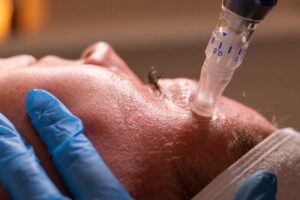
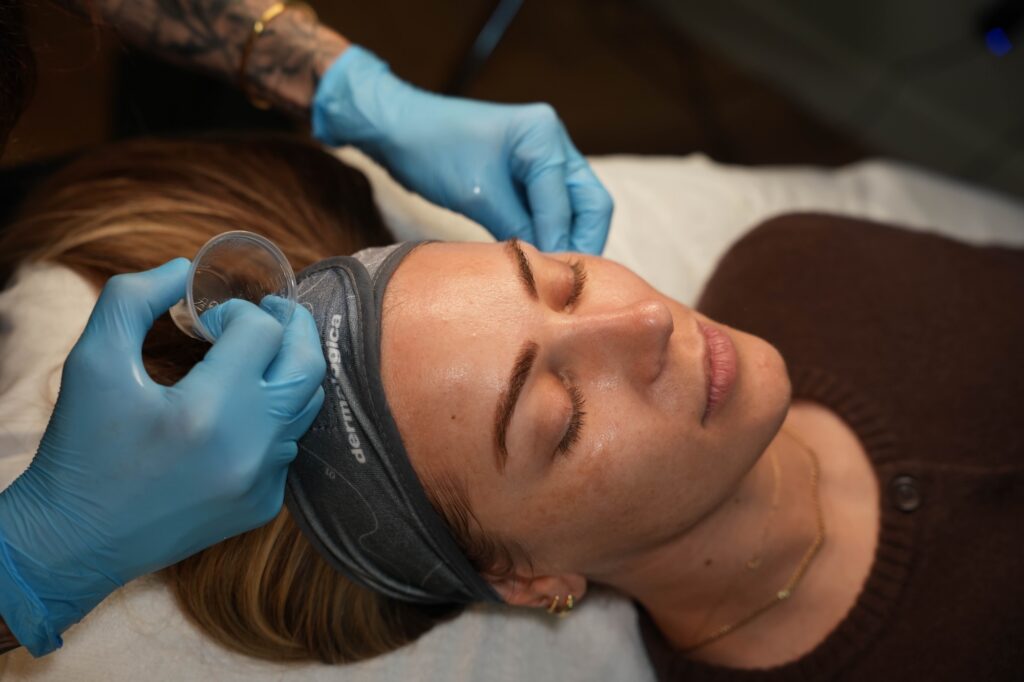
If dryness, stinging or breakouts persist, a professional assessment can help identify the cause and guide your skincare choices. A treatment should address a specific concern rather than be presented as an automatic upgrade from moisturizer. Claims that a procedure repairs the skin barrier need evidence for that particular treatment.
The point is not that tallow is uniquely bad. It is that the things it is competing against simply do more, more reliably, with less risk, and with an ingredient composition you can actually count on.
What is the beef tallow skincare trend?
Beef tallow is fat rendered from cattle, the same ingredient your grandparents might have used for cooking, now repackaged in small tins and marketed as a natural face balm. On social media it is presented as the ultimate “one-ingredient” skincare: no long list of unpronounceable additives, just a simple, ancestral-sounding fat you smooth onto your face at night. The appeal is easy to understand. Tallow is rich in fatty acids and contains small amounts of fat-soluble vitamins like A, D, E, and K. Its fatty acid profile is often described as similar to the lipids in human skin, which is the basis for the claim that it “belongs” on our faces. As an occlusive, it does sit on the surface and slow water loss, which can make very dry, rough skin feel softer and more comfortable in the short term. So the trend is not built on nothing. Tallow is a real moisturizing fat. The question is not whether it can soften skin, because most heavy fats can. The question is whether it is safe and worthwhile for the face specifically, and whether the bigger promises attached to it hold up.Why did beef tallow for skin go viral?
Several currents met at once, and together they turned a pantry ingredient into a beauty phenomenon. The strongest driver is the “natural and ancestral” wellness movement. As people grow wary of long ingredient lists, a single, recognizable animal fat feels honest and clean by comparison. It fits a broader craving for skincare that seems traditional and unprocessed. Price and simplicity help too. A tin of tallow is inexpensive and does one job, which is attractive when serums and creams can run into three figures. There is a certain satisfaction in reducing your routine to one humble jar. Then there are the testimonials. Plenty of people with very dry or eczema-prone skin genuinely feel relief from a rich occlusive, and their glowing reviews are sincere. Short videos of someone smoothing on balm and showing dewy, comfortable skin are persuasive, especially when the ingredient sounds wholesome. What those clips rarely include is the acne-prone viewer who tried the same balm and broke out two weeks later, because that story is less shareable. Finally, the trend rides a real and legitimate idea: barrier health. People are right to care about their skin barrier. Tallow just gets positioned as the answer, when it is really one heavy occlusive option among many, and not the best-studied one.What does the evidence actually say about beef tallow?
Here is the balanced picture. Tallow can function as a moisturizer, and for some very dry skin it does provide comfort. That part is real and worth acknowledging. But the larger claims outrun the science. There is little to no peer-reviewed research showing that beef tallow is superior to, or even equal to, dermatologist-recommended moisturizers for the face. No well-designed clinical studies establish it as a standout skincare ingredient. Much of the enthusiasm rests on the “similar to skin lipids” idea, which is a reasonable talking point but not proof of benefit, and on individual testimonials, which are valuable but not evidence of consistent, safe results across different skin types. The vitamin claims deserve a closer look as well. Yes, tallow contains fat-soluble vitamins, but usually in small and variable amounts, and it is not clear those levels do anything meaningful for your skin when applied topically. A moisturizer formulated with known concentrations of proven actives gives you far more predictability than a natural fat whose composition varies from batch to batch. The fair summary is this. Beef tallow is a plausible occlusive moisturizer for dry body skin, it is unproven as a superior facial treatment, and it carries specific risks that better-studied options largely avoid.Who should be cautious with tallow on the face?
This is where the trend gets riskier for a meaningful slice of people. Tallow is a heavy animal fat, and heavy fats are not universally friendly. Acne-prone skin. This is the biggest concern. Rich animal fats can clog pores and worsen breakouts, and many dermatologists suggest keeping tallow off the face for this reason, reserving it for dry, rough spots like hands, elbows, knees, or heels. If you are prone to congestion, blackheads, or cystic acne, a thick occlusive over your pores is working against you. Sensitive and reactive skin. A single unstandardized ingredient can still trigger irritation or allergic reactions in some people. Because tallow products vary widely in sourcing and processing, you cannot always predict how a given tin will behave on reactive skin. Anyone relying on quality and sourcing they cannot verify. Unlike a regulated, lab-tested cosmetic, home-rendered or small-batch tallow can vary in purity, and poorly processed fat can even harbor bacteria if it is not handled and stored correctly. Rancidity is another issue with animal fats over time. You are trusting a supply chain that may not have the controls a formulated product does. None of this means tallow is dangerous for everyone. It means the people most likely to be drawn to a “miracle balm,” those fighting breakouts or sensitivity, are often the ones most likely to be let down or made worse by it.Beef tallow versus proven barrier support: how do they compare?
The real target underneath this trend is a strong, calm, well-hydrated skin barrier. So the useful comparison is not tallow against nothing, it is tallow against the ingredients and treatments that have actual evidence behind them. The table makes the trade-offs clear.| Factor | Beef tallow | Proven barrier-support options |
|---|---|---|
| What it is | Rendered animal fat, occlusive | Ceramides, hyaluronic acid, niacinamide, glycerin; professional regenerative treatments |
| Evidence | Little peer-reviewed support for facial use | Well-studied for barrier repair and hydration |
| Consistency | Varies by batch, sourcing, processing | Standardized, known concentrations |
| Pore-clogging risk | Higher, especially acne-prone skin | Formulated to be non-comedogenic |
| Skin match | Occlusive only | Occlusive plus humectant and barrier-rebuilding actives |
| Contamination risk | Possible if poorly rendered or stored | Lab-tested, preserved, stable |
| Best use | Dry body areas for some people | Face and body, across most skin types |
| Professional guidance | None built in | Assessment and tailored plan available |
What is the smarter way to get the barrier health people are chasing?
If tallow’s real draw is a comfortable, resilient barrier, you can pursue that goal directly with approaches that are better proven. A healthy barrier comes down to three jobs: pull in water, hold it there, and rebuild the skin’s own protective lipids. For everyday care, humectants like hyaluronic acid and glycerin draw moisture in, ceramides and fatty acids help rebuild the barrier’s mortar, and niacinamide supports barrier function while calming inflammation. A well-formulated moisturizer combines these at known levels, which is exactly the predictability tallow lacks. Gentle cleansing, not over-exfoliating, and daily sunscreen do more for barrier health than any single trendy balm. For skin that needs more than a good routine, professional treatment can rebuild resilience at a deeper level. Regenerative options such as PDRN and polynucleotide treatments, growth-factor and exosome-supported facials, and hydrating, barrier-focused peels are designed to strengthen skin from the inside of the process rather than simply coating the surface. These are chosen based on an assessment of your skin, which matters, because sensitive and acne-prone skin need very different plans. If you like following the global skincare conversation, our blog hub breaks down which trends are worth your attention and which are hype, and our homepage gives you a feel for how we approach regenerative, longevity-focused skin health in Winnipeg.When should you stop experimenting and see a professional?
DIY and viral products are fine to explore when the stakes are low. The moment to step back and get a professional read is when your skin is telling you something is off, or when you keep chasing the same problem without progress. Book a consultation if you have persistent breakouts you suspect a product is causing, ongoing redness or stinging that will not settle, eczema or a barrier that feels chronically compromised, or if you are simply tired of guessing and want a plan built around your actual skin type. A professional can tell you whether an occlusive like tallow even makes sense for you, or whether your barrier needs humectants, ceramides, calming actives, or an in-clinic treatment instead. That guidance saves you months of trial and error, and often saves your skin from the setbacks that come with pushing the wrong product. Owning the truth about a trend is not about dismissing it. It is about knowing where a simple fat helps, where it hurts, and where a smarter, evidence-based option will serve you better.If you still want to try tallow, how do you lower the risk?
Curiosity is human, and some people will want to test the trend for themselves regardless of the caveats. That is fair, as long as you go in with your eyes open and treat it as an experiment rather than a cure. A few sensible steps reduce the odds of a bad outcome. Start with sourcing. If you are going to use tallow at all, choose a reputable, clearly labeled product from a maker who describes how the fat is rendered, purified, and stored. Avoid unlabeled home batches of unknown age, since animal fats can go rancid and can harbor bacteria when handled poorly. Store the tin somewhere cool and dry, not on a steamy bathroom shelf, and toss it if the smell changes. Patch test before you commit. Apply a small amount to an out-of-the-way spot, such as behind the jaw or on the inner forearm, and wait at least twenty-four to forty-eight hours to see whether you react. This simple habit catches many irritation and allergy problems before they reach your whole face. Match the location to the risk. Tallow makes the most sense on dry, thick-skinned body areas like elbows, knees, and heels, where clogged pores are far less of a concern. If you insist on trying it higher up, keep it away from acne-prone zones and never layer a heavy occlusive over active breakouts. Use it sparingly and at night, and give your skin room to breathe. Watch for the warning signs. New or worsening breakouts, blackheads, persistent redness, stinging, or small bumps are your cue to stop. Skin that is getting congested is not “purging” its way to clarity through a heavy fat, it is telling you the product does not suit it. If problems linger after you stop, that is the point to get a professional opinion rather than pushing on. Even with every precaution, remember what tallow can and cannot do. At best it is a decent occlusive for dry skin. It is not a barrier-repair treatment, an anti-aging solution, or a substitute for a plan built around your skin. Treating it as a low-stakes moisturizer for the right areas is reasonable. Treating it as a miracle balm for the whole face is where people get burned.Frequently Asked Questions
Is beef tallow good for your face?
For some people with very dry skin, tallow can soften and comfort the skin as an occlusive that slows water loss. But there is little solid evidence it outperforms a well-formulated moisturizer, and it can clog pores or trigger breakouts, especially on acne-prone or sensitive skin. Many professionals suggest keeping it off the face and reserving it for dry body areas.Does beef tallow clog pores?
It can. Beef tallow is a heavy animal fat, and rich fats are more likely to clog pores on facial skin and worsen breakouts, which is why dermatologists often recommend using it only on dry, rough areas like elbows, knees, and heels. If you are prone to acne or congestion, tallow on your face is a real risk.Is beef tallow better than a regular moisturizer?
There is no good clinical evidence that beef tallow is better than, or even equal to, dermatologist-recommended moisturizers for the face. A formulated moisturizer combines humectants, ceramides, and calming actives at known concentrations, giving you far more predictable barrier support than a single animal fat that varies by batch, sourcing, and processing.Can beef tallow cause skin problems or infections?
It can in some cases. Tallow can irritate or cause allergic reactions in sensitive skin, and poorly rendered or improperly stored fat can harbor bacteria or go rancid, which raises the risk of irritation or infection. Because sourcing and processing are not standardized the way regulated cosmetics are, quality and safety can be hard to verify.What are better ways to support my skin barrier?
Look for proven ingredients: humectants like hyaluronic acid and glycerin to draw in water, ceramides and fatty acids to rebuild the barrier, and niacinamide to calm and strengthen it. Gentle cleansing and daily sunscreen matter too. For deeper repair, professional regenerative treatments can rebuild resilience based on an assessment of your specific skin.Where can I get professional skin advice in Winnipeg?
Grace Hill Salon and Spa in Winnipeg offers professional skin consultations focused on regenerative, barrier-healthy skin. Rather than guessing with viral products, you get an assessment of your skin type and concerns and a tailored plan, whether that means the right at-home routine, corrective treatments, or regenerative options suited to your goals.For Real Barrier Repair and Glow, Book a Skin Consultation at Grace Hill
If the beef tallow trend caught your eye, what you are really after is a calm, strong, glowing skin barrier, and that is exactly what we build for clients across Winnipeg. Instead of guessing with a jar of fat, let us assess your skin and match it to proven care, from a smart daily routine to regenerative treatments designed to strengthen your barrier from within. Book a skin consultation or checkout our services page for related treatments. Real barrier repair, real glow, and a plan made for your skin, not for a trend. This article is for general education and is not medical advice. Book a consultation for guidance specific to you.GRACEHILL SALON & SPA · WINNIPEG
Book a Skin Consultation in Winnipeg
Book a skin consultation directly or fill out a consultation form and one of our experts will reach out to discuss a customized treatment plan.